
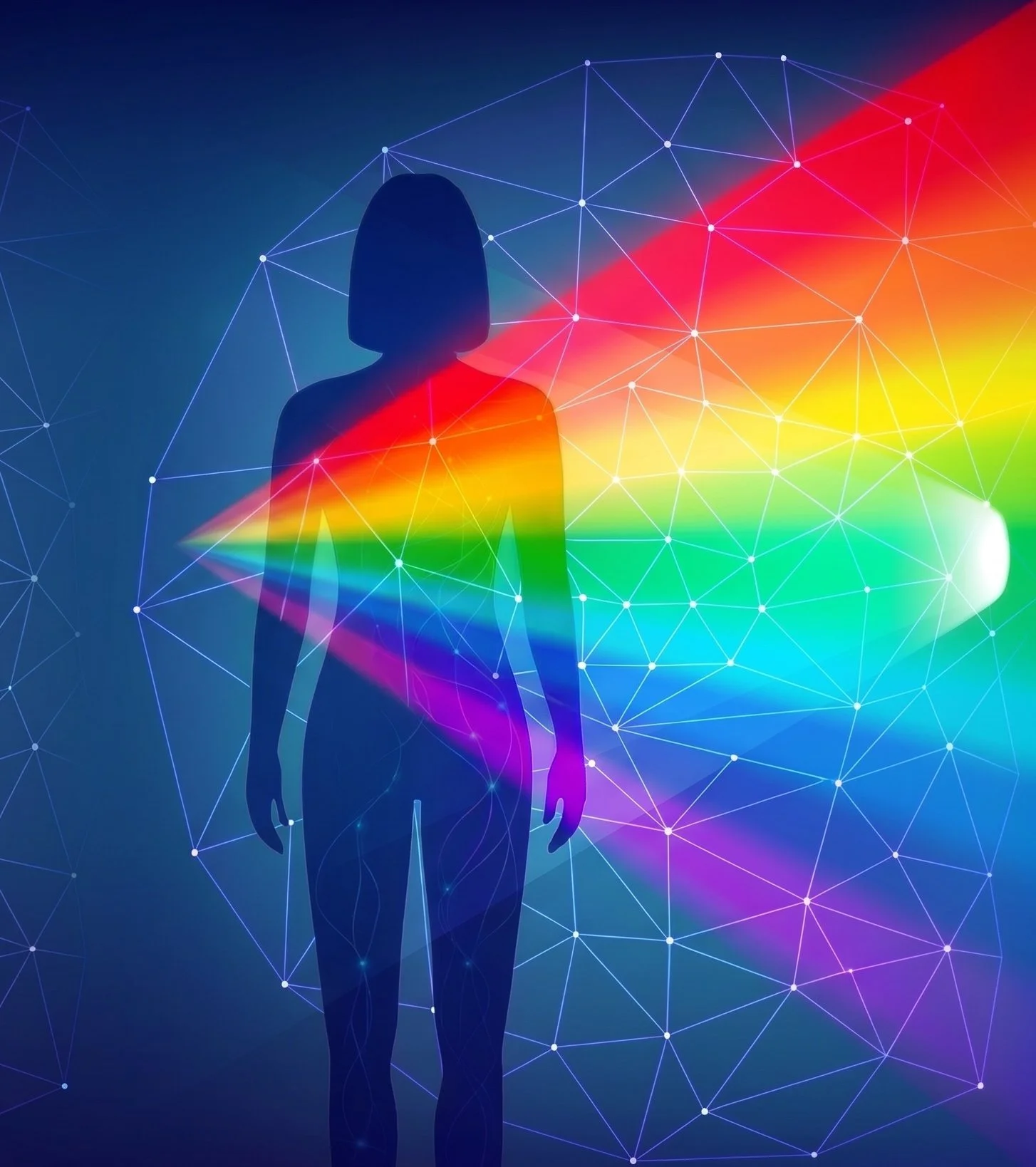
The Hidden Impact of Menopause on Autistic Women
For some women, perimenopause and menopause can bring more than hot flushes and disrupted sleep. Brain fog, heightened sensory sensitivities, emotional overwhelm and attentional difficulties can intensify existing challenges — sometimes uncovering previously unrecognised Autistic traits. Emerging research is beginning to shed light on the intersection between autism and menopause, helping us better understand why this life transition can feel particularly challenging for neurodivergent women.

The learning paradox: Why your brain needs a challenge
Our brains like to avoid hard work. From dodging difficult tasks to outsourcing our thinking to AI, we’re increasingly drawn to the path of least resistance and effort. But could making things easier actually be costing us opportunities to learn, grow and rewire old patterns? In this article, we explore the surprising science of mental effort, neuroplasticity and why often, the struggle is worth it.
Wired for Sound: Can binaural beats change your mental state?
Binaural beats, sometimes described as “digital drugs,” have gained popularity as a way to influence mood, relaxation, focus, anxiety and cognitive functioning. But what does the science actually tell us? In this article, we explore the science behind binaural beats, their potential psychological effects on stress, anxiety, pain, creativity and concentration, and whether the hype stacks up against the evidence.

Where are you getting your D.O.S.E?
Looking for a natural way to elevate your mood and mental well-being? Your body produces four key feel-good neurotransmitters—dopamine, oxytocin, serotonin, and endorphins—that drive motivation, connection, calm, and pain relief. Discover simple everyday habits to naturally unlock your daily D.O.S.E and support your psychological health.
Disclaimer: The contents on this blog, in addition to any content posted on this website broadly, are for general informational purposes only. Some terminology may be simplified, and concepts may be presented in broad terms that do not fully capture the complexity and nuances of clinical research or individual experiences. While every effort is made to ensure the accuracy of the content, posts and content do not represent academic or peer reviewed articles, nor do they constitute medical or therapeutic advice. Content contained on this website is not a substitute for psychological or medical advice, diagnostic assessment or treatment.